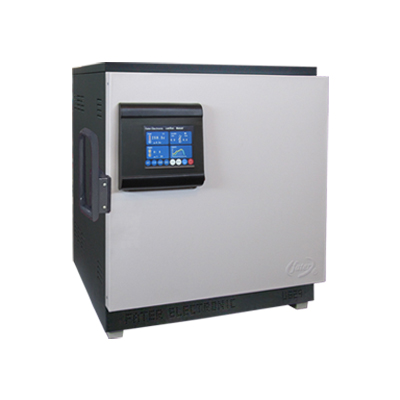
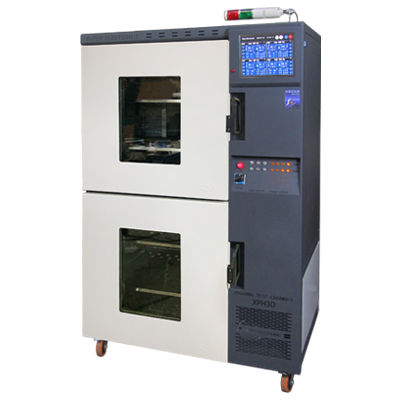
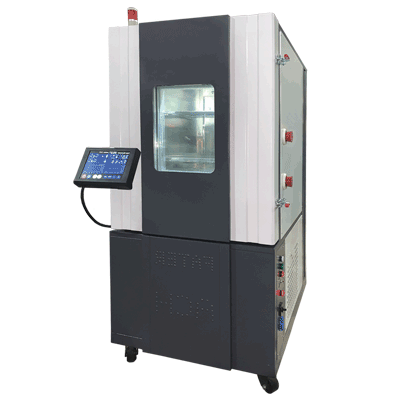
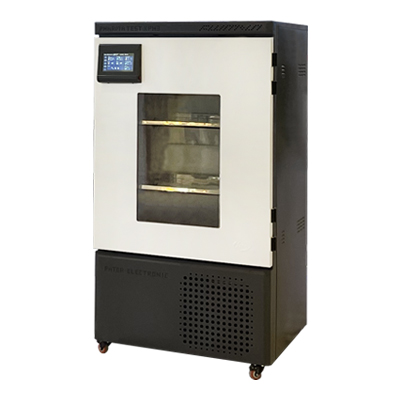
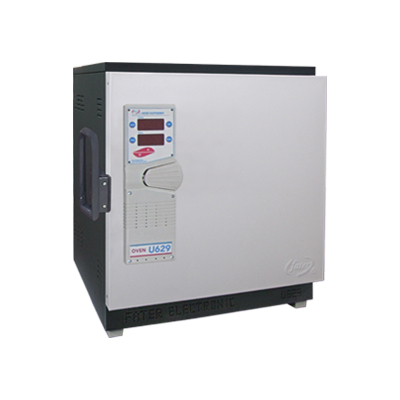
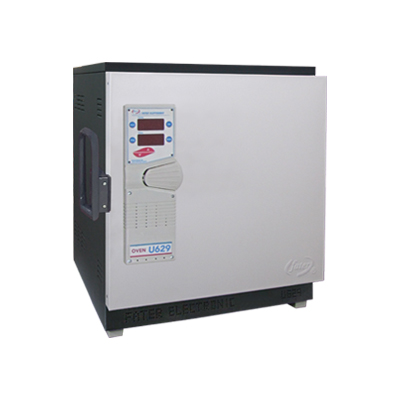
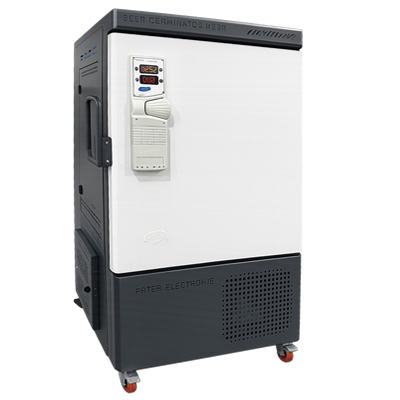
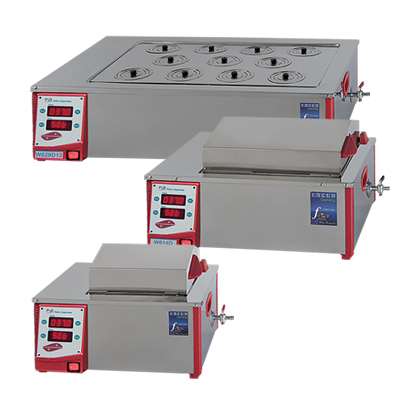
The incubator is a piece of laboratory equipment used in medical and industrial laboratories. It is used in biology laboratories, medical diagnostics, the neonatal ward of a hospital, microbiology laboratories, testing of industrial equipment and supplies, the poultry industry and quality control. It is used in the laboratory to provide the conditions for cell growth, such as humidity, oxygen and temperature, in the cell culture medium. This laboratory device is also used for drying and sterilizing supplies and equipment. This type of product is built in different models. If you need information before buying an incubator, stay with us.
1Types of incubator
According to the application, the type of material placed inside the incubator, and its technical, temperature and control features, this laboratory device comes in different types; the following can be named among its various models:
Simple incubator
The ordinary incubator, or simple incubator, is the simplest laboratory incubator. The specifications of this model include the following:
- It has an isolated, insulated chamber with a thermometer, thermostat, timer and adjustable heater.
- Only its temperature can be set, and the ambient temperature is used to provide the higher temperature.
- It has an accuracy of one degree Celsius.
- It works at temperatures between 30 and 65 degrees Celsius, but some of its models raise the temperature to 100 degrees Celsius.
- There are two models, analog and digital, in different volumes.
- It comes in two models, bench-top and floor-standing.
- It can be calibrated.
- It is used for culturing microbes.
Cooling or refrigerated incubator
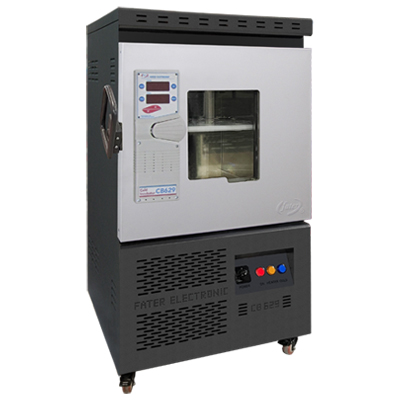
It is used widely in microbiology and medical diagnostic laboratories. It is used for keeping blood serum, drying laboratory supplies and providing a suitable environment for cell culture. This model of device has a digital thermometer, a thermostat and a timer. It controls the temperature between -5 and 65 degrees. The 25 degree incubator is another name for this model of product, because it is used mostly at a temperature of 25 degrees Celsius.
Its temperature accuracy is one degree Celsius. It is used for culturing bacteria at a low temperature. It is equipped with a heating and cooling system. Aluminum and steel are the materials of the chamber of this model of incubator. It maintains about 5 percent carbon dioxide and will not raise the relative humidity above 80 percent.
BOD refrigerated incubator
The temperature range of the refrigerated incubator is between 0 and 70 degrees Celsius. Its inner chamber is made of aluminum or steel. It has a fan, a digital thermometer, a timer and a thermostat.
Germinator incubator (humid incubator) and standard incubator (37 degree incubator)
The humid incubator provides the necessary conditions for tissue culture and samples. It is used in the pharmaceutical and food industries, research centers and agricultural universities to control humidity, temperature and light. This model can create a cold environment and lower the temperature. The standard incubator, or 37 degree incubator, works with an element and has no cooling section. It is used in microbiology and biology laboratories in the following fields:
- Cell data bank
- Blood and DNA studies
- Research
Shaking incubator
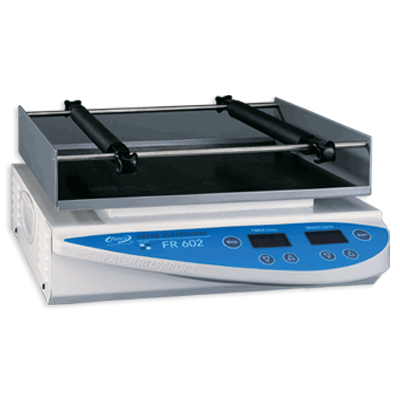
The shaking incubator can lower the temperature below the ambient temperature by means of a cooling system. Its other features include the ability to shake solutions in a rotary motion and to control the temperature of the chamber. Different flasks and Erlenmeyer flasks can be placed on the plate of this incubator. It comes in floor-standing and wall-mounted models.
2Buying guide for the incubator
The incubator, or warming cabinet, is built in different capacities and types. When buying a laboratory incubator you should pay attention to the temperature range of the device. Pay attention to the features the device has. The features of this device include the following options:
- Humidity programming
- A monitoring screen for the parameters
- Temperature control
- Calibration capability
When buying this laboratory device you should choose a model whose temperature sensor has good accuracy. To control the temperature you should buy a model that has a digital PID control system. Its temperature accuracy should be suitable. To make the air inside the chamber uniform you should buy a model that has a fan. So that air does not penetrate into the chamber of the device, suitable conditions must be created to keep the culture of the samples. If you need humidity in the laboratory you should buy the germinator incubator. Pay attention to the power and quality of the motor when buying a shaking incubator.
Whether the incubator is bench-top or floor-standing, digital or analog, the material of the inner chamber of the device, whether it has a shaker or not, whether it has a fan or not, the ability to connect to a computer and to draw graphs are the factors that should be considered when buying an incubator.
3Parts of the laboratory incubator
The parts of this type of laboratory device differ according to its application and type. The gas, humidity and temperature control system and the chamber for keeping the samples are the two parts common to all incubator models. The chamber is rust-proof stainless steel or aluminum, double-walled and insulated. The main part of the incubator is the temperature control system. An element with a fan, or electric heaters, will heat the chamber inside the incubator. The temperature inside the incubator is controlled by the following parts:
- A thermostat for the temperature inside the incubator
- Electrical control circuits
Temperature control is greater in an incubator that has microcontroller circuits. To adjust humidity, there is a humidity control system inside the incubator. The gas control system controls the composition of the gases inside the chamber. The alarm system and the recorder or thermologger are other parts of incubator devices.
4Applications of the laboratory incubator
The applications of this type of laboratory device include testing of industrial equipment and parts, quality control laboratories, sterilizing and drying equipment, medical laboratories for growing and keeping cells, the neonatal ward (to provide suitable conditions for the growth of the infant), car manufacturing, the food industry, microbiology laboratories, the pharmaceutical industry and the poultry industry.
Closing words
One of the pieces of laboratory equipment is the incubator. This device is used in many laboratories and exists in different models. We have described the specifications of the types of this laboratory device to you. To choose and buy the best model of incubator, you must pay attention to a series of golden points. In this article we have described the buying guide for the laboratory incubator to you.