To treat different diseases, the pharmaceutical industry produces a variety of medicines under particular conditions, using chemical and herbal materials. To produce a medicine in the pharmaceutical laboratory, the effectiveness of medicines is examined. Different devices and equipment are used for this purpose. In this article we look at the equipment and devices of the drug and pharmaceutical laboratory.
1In which laboratories is pharmaceutical equipment used?
The pharmaceutical industry is made up of different sections, which we list for you below:
- Production of active pharmaceutical ingredients
- Preparation of medicines in injectable form
- Production of medicines in syrup form
- Production of medicines in capsule form
- Production of medicines in tablet form
- Quality control during production
- Study of smart pharmaceutical methods
- Examination of the biological effect of medicines
In each of the sections named, different devices and equipment are used. These devices and equipment are used in the different laboratories found in the drug production industry.
Laboratory for drug research and development
In this pharmaceutical laboratory the following devices are used:
- Tablet compression machine
- High-performance liquid chromatography (HPLC) device
- UV spectrophotometer
In this type of pharmaceutical laboratory, before the drug is produced, the semi-solid, liquid and solid forms of the drug are studied and examined. In this laboratory it is also examined which of the named drug forms help to control and treat the disease.
API laboratory, or synthesis of active pharmaceutical ingredients
The raw materials used to produce drugs are examined in this laboratory. Here we should point out that the raw materials used to produce drugs are in powder and liquid form. In fact, the company producing the API (active pharmaceutical ingredients) supplies the company that is producing the finished product. This type of pharmaceutical laboratory uses the equipment and devices needed in an organic synthesis laboratory.
Pharmacology laboratory
In this laboratory the following equipment is used to examine and produce biological and herbal medicines:
- UV chamber
- Calorimeter
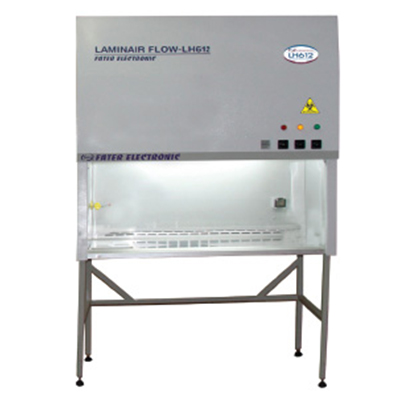
- Laminar flow cabinet
- Soxhlet apparatus
Medicinal chemistry laboratory
By combining inorganic materials and organic chemicals, many medicines are produced in this laboratory. The equipment of this laboratory includes the following options:
- UV spectrophotometer
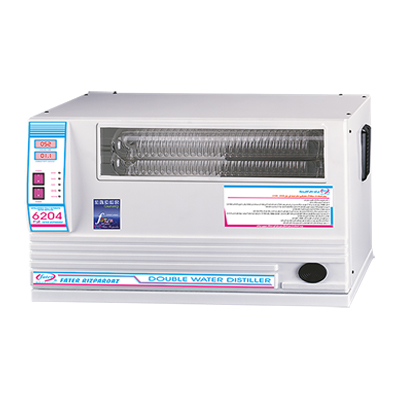
- Distillation apparatus
In these laboratories, RNA-based vaccine synthesis, protein-based vaccine synthesis and the synthesis of recombinant protein drugs are carried out.
Pharmaceutical analysis laboratory
To examine the chemical compounds of a drug, the following equipment is used in this laboratory:
- Spectroscopy
- Chromatography techniques
Pharmacology laboratory
To examine the reaction of a patient's body to a particular drug, pharmacogenomics and pharmacogenetics are used in this type of laboratory. The devices and equipment of this type of laboratory include the following options:
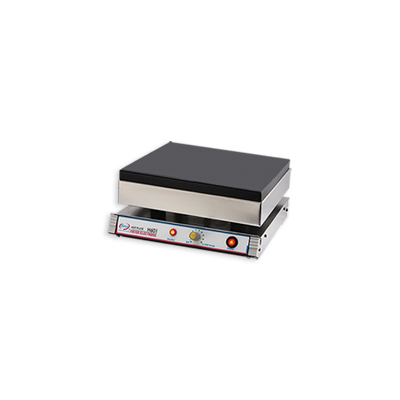
- Hot plate
- Electroshock measuring device
- Rotarod-type device
Microbiology laboratory
In this laboratory the following equipment is used:
- Sampler
- Microscope
- Laminar flow cabinet
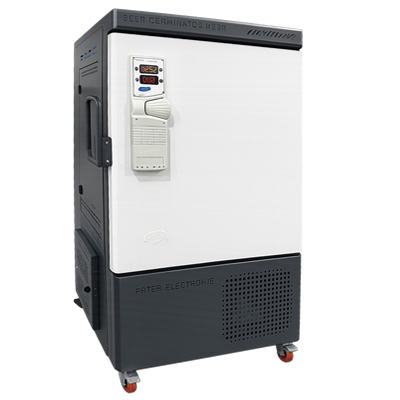
- Incubator
- Autoclave
The design and production of antibiotics and the testing of microbial resistance are carried out in this type of pharmaceutical laboratory.
Types of pharmaceutical laboratory equipment and supplies
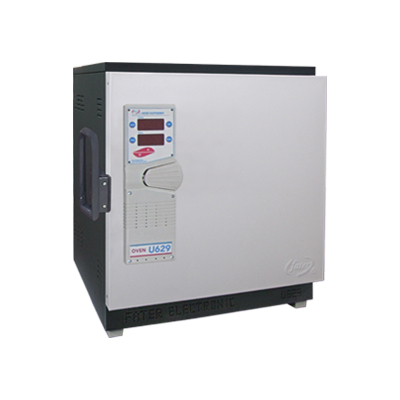
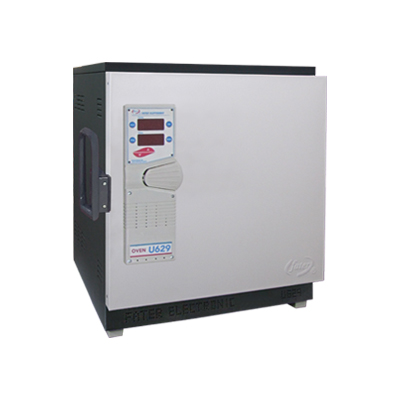
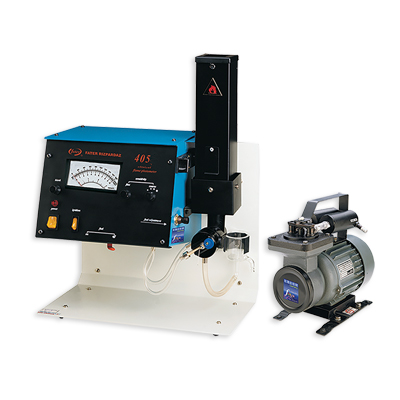
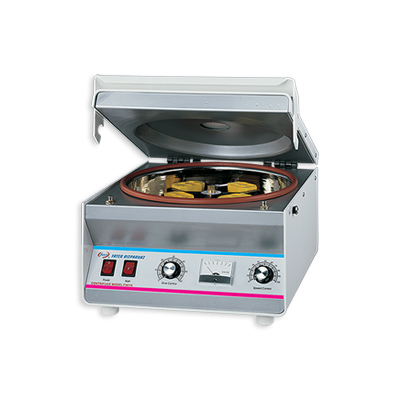
Different equipment is used according to the type of activity carried out in the laboratory. The devices and equipment used in pharmaceutical laboratories differ with the production process and production aims. Types of sampler, vacuum pump, rotary evaporator, precision laboratory balance (4 decimal places), chemical hood, UV chamber, TLC chamber, spectrophotometer, IR spectroscopy, spectrofluorimeter, homogenizer, Karl Fischer, oven, fermenter, automatic refractometer, automatic polarimeter, atomic absorption device, gas chromatograph, mass spectrometry chromatography, high-performance liquid chromatography, microscope, heater stirrer, vacuum evaporation device, autoclave, refrigerated incubator, CO2 incubator, water distiller, tablet press, pH meter, refrigerated centrifuge and ordinary centrifuge are types of pharmaceutical laboratory equipment.
2Applications of pharmaceutical laboratory equipment
Correct analysis of herbal and chemical medicines in pharmaceutical laboratories is one of the parameters that are examined. The applications of pharmaceutical laboratory equipment include the following options:
Pharmaceutical laboratory device for tablet dissolution testing
This device is used in pharmaceutical laboratories to analyze pharmaceutical products. It measures the amount and formation of solution from the dosage form, which includes the following options:
- Suspension
- Powder
- Hydrogel
- Suppository
- Capsule
- Tablet
The different models of this device include the following:
- 12-vessel dual-motor model
- 8-vessel model
- 6-vessel model
- 4-vessel model
Pharmaceutical laboratory device for determining tablet disintegration time
The tablet disintegration test is used to determine how long it takes for a tablet in the stomach to change from its compressed state into granules and powder. The tablet disintegration time device is used to do this test. This device is used to examine the disintegration time of soft gels and all kinds of tablets. The parts of this device include the following:
- Two separate motors for measuring tablet disintegration time
- A warning alarm for the end of the test
- A separate circulator heater for heating the water
- 100 internal memories for storing the methods of doing the disintegration test of two different models of tablet
- A protection system that cuts off automatically at a temperature above 45 degrees
This device shows the test time, temperature and tablet disintegration speed instantly. At the end of the tablet disintegration test, this device has an automatic basket parking mode.
Tablet friability test device
With the help of this device the percentage of tablet erosion and friability is measured. After the tablets are produced, this device examines them for the following properties:
- The strength of the tablets
- The physical strength of the tablets
The important parts of this pharmaceutical laboratory device include a discharge chamber for collecting the tablets after the friability test ends, 2 drums of clear Plexiglas, a warning alarm for the end of the test, and an LCD display.
Tablet hardness tester
This type of pharmaceutical laboratory device is used to determine the hardness and breaking strength of the compressed powders used to produce tablets. 100 internal memories for storing tablet data in the hardness test, an internal thermal printer for printing test reports, a chamber for collecting tablet waste, a socket for connecting to a computer and an LCD display are the parts of this type of pharmaceutical laboratory device.
To use this device and determine the hardness of the tablet, it is enough to place the tablet or capsule in its chamber. To determine the hardness of the tablet or capsule, this device applies pressure to the capsule and tablet between two plates. At the end, to find out how much resistance the tablet has to impact and pressure, the force applied to the tablet or capsule is measured.
Powder density measuring device
With the help of this device the quality of the tablets produced can be determined. In fact this device gives validation and quality assessment to the tablets produced. The parts of this device include a noise-reducing chamber to reduce the noise produced by the densitometer, two cylinder (measuring) adapters of 250 milliliters and 100 milliliters for connecting to the device, two cylinders (measuring cylinders) of 250 milliliters and 100 milliliters, 100 internal memories for storing the density data of different powders, and an LCD display. The actions and capabilities of this device include the following:
- Instant display of the test time
- Ability to validate the speed and the drop height
- Ability to set the tapping speed from 100 to 300 taps per minute
- Ability to do the usp1 and usp1 tests at the same time
Analytical pharmaceutical laboratory equipment
The equipment and devices used in pharmaceutical laboratories to control the quality of medicines are analytical equipment. The analytical devices of pharmaceutical laboratories include mass spectrometers, atomic absorption spectrometers, spectrometers (UV-Vis, IR, NMR) and HPLC and GC chromatographs. The HPLC device is used to identify the various contaminants of medicines and the purity of medicines. The GC device is used to analyze gaseous contaminants in medicines. To determine the exact concentration of the materials in medicines, and to identify and determine the molecular structure of medicines, the UV-Vis device and the FTIR device are used respectively. To determine the amount of water in medicines and to evaluate how fast medicines dissolve, the Karl Fischer device and the Dissolution device are used respectively.
To identify the compounds in medicines and determine the exact molecular structure of medicines, the LC-MS device and the GC-MS device are used. To examine the thermal properties of the materials used in making medicines, the TGA and DSC devices are used.
3Physical and mechanical equipment of the pharmaceutical laboratory
This type of pharmaceutical laboratory equipment examines the physical and mechanical properties of medicines so that high-quality medicines are produced by pharmacists. To produce and compress tablets, the tablet press is used. To evaluate the disintegration of tablets and how fast they dissolve, the following devices are used:
- Dissolution Tester
- Disintegration Tester
To measure the strength and hardness of tablets, the following devices are used:
- Friability Tester
- Hardness Tester
To fill pharmaceutical capsules and to package tablets, the following devices are used:
- Capsule Filling
- Blister Packing
To prepare the raw materials for producing pharmaceutical tablets, the following devices are used:
- Powder Mixer
- Granulator
To evaluate the quality and the ability of medicines to be absorbed through the skin, the following devices are used:
- Permeability test device
- Absorption test device
To examine the effects of tablets in the body and evaluate their performance in the digestive system, the oral test device is used.
4Sterility and microbial equipment of the pharmaceutical laboratory
This type of pharmaceutical laboratory equipment is used for hygiene management and the quality of medicines. This equipment and these pharmaceutical laboratory devices include the following options:
- Autoclave
- Biological Safety Cabinet
- Laminar Flow
- Co2 Incubator
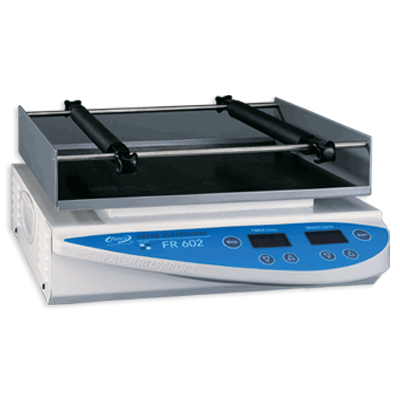
- Shaker
- Real-time PCR
All the devices named are used to destroy viruses and bacteria and can make the pharmaceutical laboratory environment hygienic and free of viruses and microbes.
5Environmental and safety equipment of the pharmaceutical laboratory
In pharmaceutical laboratories, safety and environmental equipment is used for the following aims:
- Reducing negative effects on the environment
- Protecting the health of staff
The environmental and safety devices and equipment include the following:
- Safety Cabinet devices
- Air conditioning and filtration devices
- Sound level test and light test device
- Air purity test and polluted gas test device