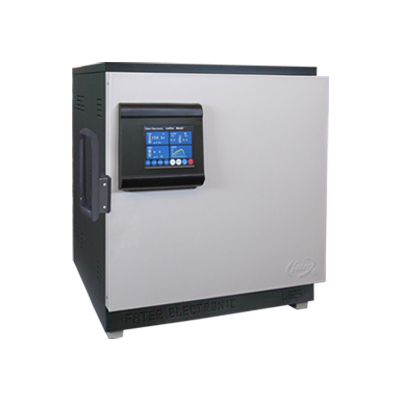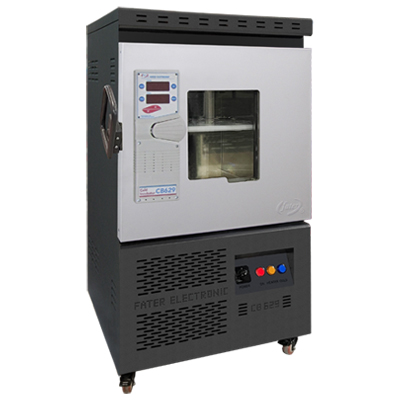
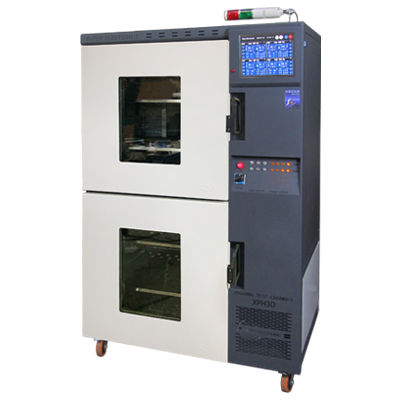
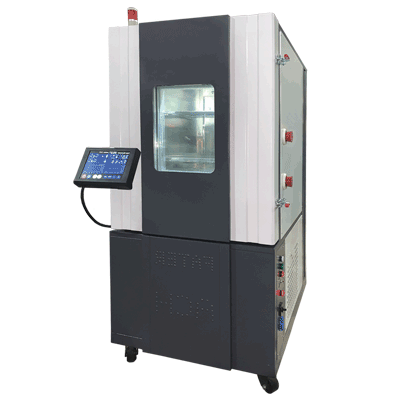
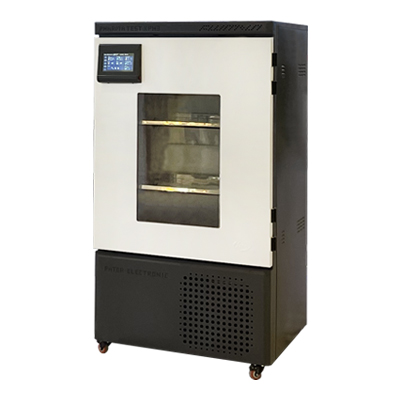
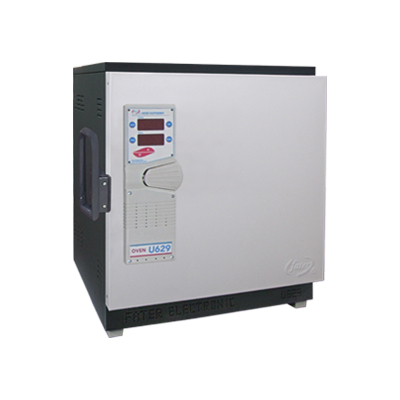
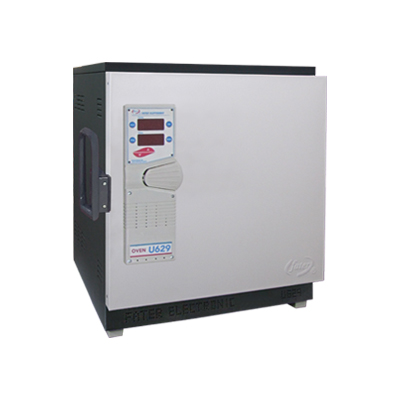
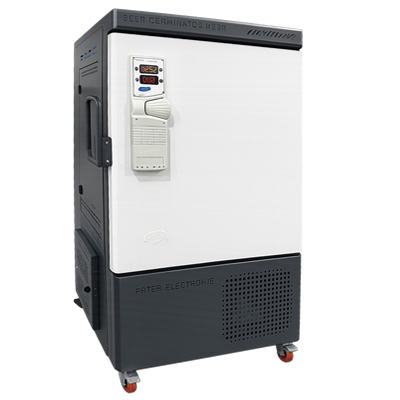
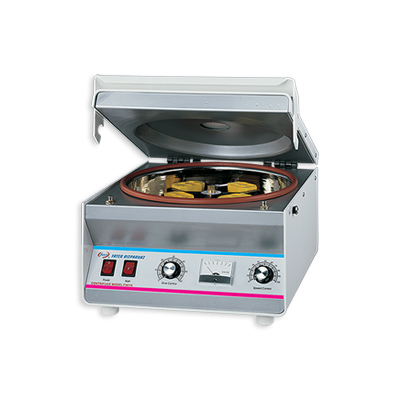
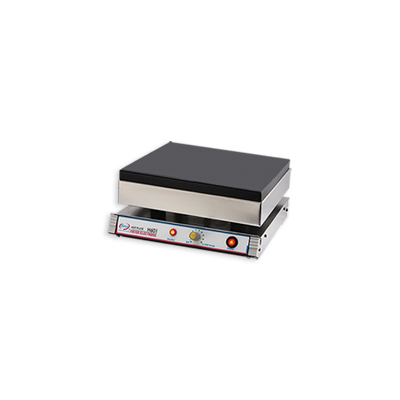
The laboratory oven is one of the standard devices used in forensic medicine laboratories, environmental laboratories and biological laboratories. With accurate temperature control and a uniform temperature, this device provides the conditions needed for sterilizing, evaporating, drying and heating laboratory vessels and samples. The temperature of the laboratory oven is more than 300 degrees Celsius above the surroundings. In this article we look at the laboratory oven.
1Specifications and features of the laboratory oven
The laboratory oven has unique specifications and features, which we cover in the rest of the article. The specifications of this laboratory tool include the following options.
Internal cube volume of the oven chamber
The volume of the inner chamber of the oven, or furnace, of this type of laboratory device must be able to meet the space needs of the substrates well, and the best model should be able to hold several samples during one cycle. To make it possible to use the whole inner chamber of this device, it must have an adjustable shelf system. The operator can easily carry out the necessary controls.
Temperature
The temperature range of most laboratory ovens is up to 300 degrees Celsius above the ambient temperature. The temperature is adjusted by three technologies: integrated proportional PID control, proportional control and a thermostat.
Controlled atmosphere
Some models of laboratory ovens remove the air in the furnace chamber or feed a specific oxygen mixture into the laboratory chamber, and this is for compatibility with the equipment. These models of device have internal sensors to record the particles of the atmosphere and a solenoid valve and flow meter to control the flow of fluid.
Energy efficiency
To heat the chamber of the laboratory oven, this device needs considerable energy. To reduce the preheating time of the device, the furnace is sometimes left on for several days. To save energy and reduce heat loss, this laboratory device has the following specifications:
- To limit long periods of operation, it has an accelerated preheater.
- The shell of the furnace is steel.
- Its lower layers are insulated.
- There is a door gasket around the door, which helps keep the heat in.
- It will compensate for the ventilation of the chamber.
2Technical specifications of the laboratory oven
This laboratory device has an intelligent heat control system with a display resolution of 0.1 degrees and up to 200 degrees Celsius. It has an LCD Touch control display, and after the device finishes its work, the operating data can be saved as a file on a computer and printed, because it has an auxiliary SD CARD memory and a data logger system, which is the data storage system. On the graphic display of the device there is the ability to draw graphs; a temperature ramp and a delay timer are available to order.
The door of the device is sealed around with special silicone rubber with high resistance to heat, to prevent heat loss. The area around the inner chamber of the device is insulated with wool, which for this reason prevents energy loss. The frame of this device is made of stainless steel sheet. The material of the inner chamber and the outer body of the device is stainless steel and steel sheet with electrostatic paint coating respectively. Heating elements are used all around the chamber so that no circulation fan is needed and the heat is completely uniform.
3Features of the laboratory oven
When the furnace or oven of this device reaches operating conditions, it has audible bells to give the signal. One of the features of this device is that it switches off automatically after it has gone through a pre-set period. To reduce the time the furnace takes to heat up, energy consumption must be increased slightly. In an explosion the oven door or special panels let the sample leave the oven. This has meant less risk to equipment and personnel, because it directs the blast in a single direction.
This laboratory device records all operations of the laboratory oven, and this is because of its compatible mechanisms. Without input operating parameters, the oven runs a preheating cycle. The preheating cycle can be set. You can set the temperature of the device. The samples in the oven chamber can be seen through the window it has.
4Types of laboratory oven
These laboratory devices are built in different models, and their types include the following options:
Fan-assisted laboratory oven
The features of this model of laboratory device include the following:
- The material of its outer facade is painted and powder-coated steel sheet.
- The material of its inner chamber is stainless steel.
- It has shelves of chrome wire that can be moved.
- As standard it has active air circulation.
- For natural convection it has sheathed elements under the floor of the chamber.
- It has a mains on/off switch with a PID controller, an over-temperature thermostat with calibrated scales, a direct-reading thermostat and a tamper-proof lock.
- All fan-assisted laboratory ovens have a temperature range of 40 to 250 degrees Celsius with a fluctuation of ±0.75 degrees Celsius.
Intelligent laboratory oven
This device is used in industrial laboratories for heavy applications. Its processing chamber is about 60 to 200 liters. This device is used when high accuracy of temperature control is needed in the range between +50 and +300 degrees Celsius. Easy replacement and resistance to corrosion are counted as advantages of this device.
A corrosion-resistant aluminum inner chamber, a scratch-resistant hammer finish, gravity air convection and digital microprocessor control are features of the intelligent laboratory oven.
Laboratory vacuum oven
Temperature up to 220 degrees Celsius, full use of the working space and radiant wall heating for uniform temperature, control valves, a glass window with full view, a heavy-gauge steel outer cover, a furnace of stainless steel and three-inch glass wool insulation are some of the features of the laboratory vacuum oven.
Laboratory convection oven
It exists in different styles and sizes, and its features include the following:
- Microprocessor
- Lightweight
- Impregnated fiberglass insulation
- Double-wall insulation
- Low consumption
- Vacuum
- High-temperature control
This device has special applications specific to it. The applications of the laboratory convection oven include the following.
- Evaporation and dehydration
- Sterilizing
- Ventilation
- Annealing
- Baking
- Drying
5Parts of the laboratory oven
The parts of these laboratory devices include the following options:
Main chamber
The supplies we want to sterilize are placed in the main chamber of these devices. The body of these devices is made of alloys resistant to humidity and heat and of stainless steel. Important and special parts such as the temperature sensor and thermocouple are placed inside this chamber.
Insulation
The temperature produced inside the oven is very high. For this reason loss of energy must be prevented. The heat present in the chamber of this device would melt as it leaves and penetrates into the circuit of the device. For this reason its insulation is very important. Fiberglass is used to insulate this device.
Element
The presence of the element in this device has made the use of insulation necessary.
Protection section
The electrical fuse and a suitable temperature control system in this device protect it.
Temperature display
This device measures temperature in the following ways:
- Metal or paired thermocouple
- Electrical panel connected to the temperature sensor
- Thermometer
6Maintenance of laboratory ovens
These types of laboratory devices usually no longer perform properly after seven years. If the furnace of these laboratory devices is damaged, its specifications and features are not restored after repair. Furnace maintenance must be done at regular intervals. In terms of faults, the following must be checked:
- Blowers
- Heating elements
- Controls
- Sensors
- Ventilation ports
These laboratory devices, in terms of installation type, include bench, cabinet and walk-in.
Summary
In laboratories a device called an oven is used for heating, sterilizing, evaporating and drying. In this article we have named the types of laboratory oven to you. In addition we have described the technical specifications and parts of oven devices to you.